Transform your warehouse efficiency: The label printer revolution
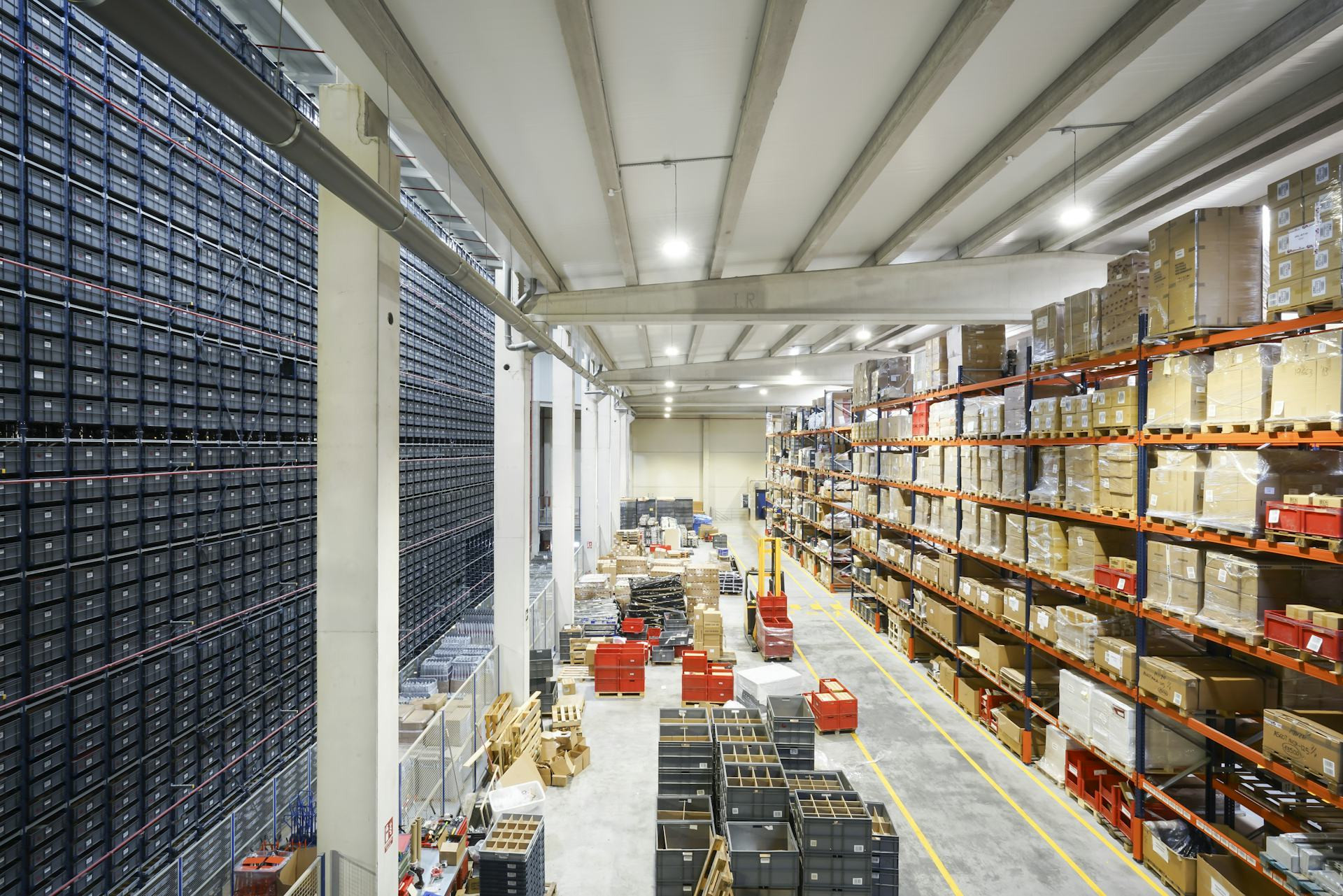
Transform your warehouse efficiency: The label printer revolution
Introduction to Warehouse Efficiency
In todays fast-paced business environment, warehouse efficiency is paramount. Companies strive to optimize their operations to reduce costs, enhance accuracy, and improve customer satisfaction. One game-changing innovation that has emerged in recent years is the label printer. This simple yet powerful tool is transforming how warehouses function, streamlining processes, and providing real-time solutions to common logistical challenges.
The Role of Label Printers in Streamlining Operations
Label printers play a crucial role in enhancing warehouse operations. By automating the labeling process, these devices eliminate the need for manual writing and ensure accuracy. This automation translates into quicker item identification, faster order fulfillment, and improved inventory management.
Furthermore, label printers can produce various label types, including barcodes, QR codes, and shipping labels. This versatility means that warehouses can implement a variety of labeling systems to match their specific operational needs, ensuring that every item can be tracked effortlessly.
Enhancing Accuracy and Reducing Errors
One of the most significant advantages of using label printers in warehouses is the reduction of human error. Manual labeling can lead to misidentified products, misplaced items, and inaccurate inventory counts. These errors not only create logistical challenges but can also result in costly delays and dissatisfied customers.
With label printers, each product is clearly labeled with its description, barcode, and other vital information. This clarity minimizes the chances of mistakes during picking, packing, and shipping. When combined with warehouse management systems (WMS), label printers ensure that every item in the warehouse is accounted for, enhancing overall accuracy.
Real-Time Tracking and Inventory Management
In an era where information is vital, real-time tracking is becoming an essential feature in warehousing. Label printers facilitate this by integrating with tracking systems to provide up-to-the-minute data on inventory levels. This capability allows warehouse managers to monitor stock in real time, making it easier to anticipate shortages and make informed decisions about reordering.
Additionally, using barcode and QR code labels allows for quick scanning. This means that workers can swiftly update inventory levels without the need for manual entry, reducing the time spent on administrative tasks and increasing the time allocated to core activities.
Cost Efficiency and Resource Management
Investing in label printers can lead to significant cost savings in the long run. Although there may be initial expenses related to purchasing printers and supplies, the efficiencies gained can offset these costs. By reducing labor time spent on manual labeling and minimizing errors associated with mislabeling, warehouses can operate more effectively.
Furthermore, label printers can produce high-quality, durable labels that withstand various conditions, including moisture and temperature changes. This durability means that labels remain legible and intact throughout their lifecycle, reducing the need for frequent re-labeling and wastage.
Integrating Label Printers with Existing Systems
Another advantage of modern label printers is their ability to integrate seamlessly with existing warehouse management systems and inventory software. This integration ensures that all aspects of the warehousing process are connected. When a product is scanned, for example, the label printer can automatically retrieve the necessary information and print a corresponding label without inputting data manually.
This connectivity also allows for sophisticated tracking systems to be implemented. Facilities can monitor the movement of products within the warehouse efficiently, ensuring that everything is in the right place at the right time.
The Future of Label Printing in Warehousing
As technology continues to evolve, the role of label printers in warehouses is poised to expand even further. Innovations like smart labeling and the integration of Internet of Things (IoT) devices may soon allow label printers to not only print labels but also track and communicate data in real time.
These advancements will likely lead to even more streamlined operations and improved visibility into warehouse processes. With the growing emphasis on efficiency and rapid delivery in the competitive marketplace, adopting label printers will undoubtedly become a staple for warehouses aiming to push the envelope.


