One Voice Across Platforms: How to Create a Consistent Tone on Social Media


One Voice Across Platforms: How to Create a Consistent Tone on Social Media
When a business communicates on social media, there are often many people behind the posts, comments, and replies. But to your audience, it should feel like one clear voice. A consistent tone builds recognition, trust, and professionalism – and helps followers understand who you are as a brand. Here’s a guide to creating and maintaining a unified tone across your social channels.
Why Tone of Voice Matters
Your tone of voice isn’t just about word choice – it’s part of your brand identity. It reflects your values, culture, and how you connect with your audience. A clear tone makes it easier for people to recognise you, whether they’re reading a LinkedIn update, an Instagram caption, or a reply on X.
An inconsistent tone, on the other hand, can cause confusion. If your brand sounds formal and corporate on LinkedIn but suddenly casual and slang-filled on Instagram, followers may wonder who you really are. Consistency doesn’t mean sounding identical everywhere – it means having a shared core that adapts naturally to each platform.
Define Your Brand Personality
Before you can write with one voice, you need to know what that voice sounds like. A good starting point is to describe your brand as a person:
- What values does this person have?
- How do they speak – friendly, professional, witty, down-to-earth?
- What impression do they want to leave?
Write a short description of your brand personality that everyone on your team can refer to. For example: “We’re approachable, reliable, and community-minded. We speak clearly, avoid jargon, and always aim to help.”
Once your personality is defined, it becomes much easier to make language choices that fit your identity.
Create a Tone of Voice Guide
A tone of voice guide is your team’s shared reference point. It doesn’t have to be long, but it should be practical. Include things like:
- Examples of preferred language: How do we greet followers, respond to comments, or write captions?
- Words we use – and words we avoid: This helps maintain linguistic consistency.
- Guidelines for emojis, hashtags, and humour: When do they fit, and when don’t they?
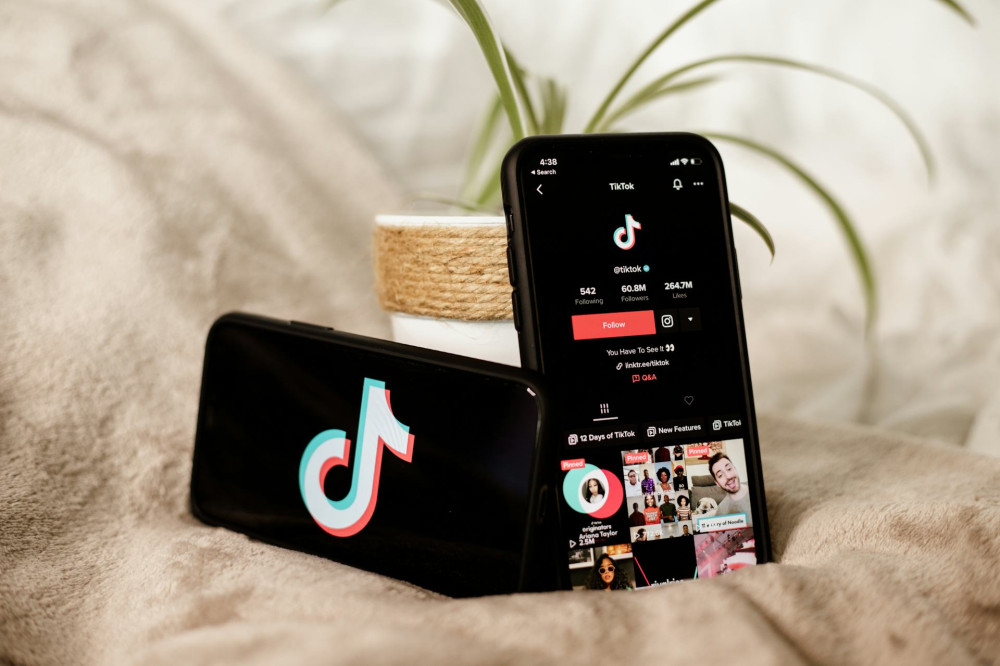
- Platform-specific adjustments: How does our tone differ between LinkedIn, Instagram, and TikTok?
Keep the guide as a living document that evolves as your brand and audience grow.
Build Shared Routines in the Team
Even the best tone guide only works if it’s used. Make sure everyone who writes for your social channels understands and applies it. Run short workshops where you review posts together and discuss how the tone could be improved.
It’s also worth having a content calendar where posts are planned and approved in advance. This gives you a chance to check that the tone feels consistent before anything goes live.
Læs også:




Adapt Without Losing Your Core
Each platform has its own culture. LinkedIn users expect a more professional tone, while Instagram and TikTok invite a relaxed, conversational style. That doesn’t mean changing your personality – just adjusting your expression.
Think of it like talking to different people in different settings: you’re still the same person, but you choose your words and tone to suit the situation. The same principle applies to your brand voice.
Measure and Refine Over Time
A consistent tone isn’t something you set once and forget. Social media evolves, and so do your audiences. Keep an eye on how your posts perform: Which types of content get the most engagement? When does your tone feel too stiff or too casual?
Use data and feedback to fine-tune your communication. It shows that you’re listening – and helps you stay authentic even as you adapt.
One Voice That Builds Trust
When your tone is clear and consistent, people find it easier to trust you. They know what to expect and feel that real people stand behind your brand – not just a collection of random posts.
A unified voice is ultimately about relationships. It’s the thread that ties your communication together and makes your followers feel at home, no matter which platform they meet you on.
Læs også: