Internal Training as the Key to Better Inventory Management

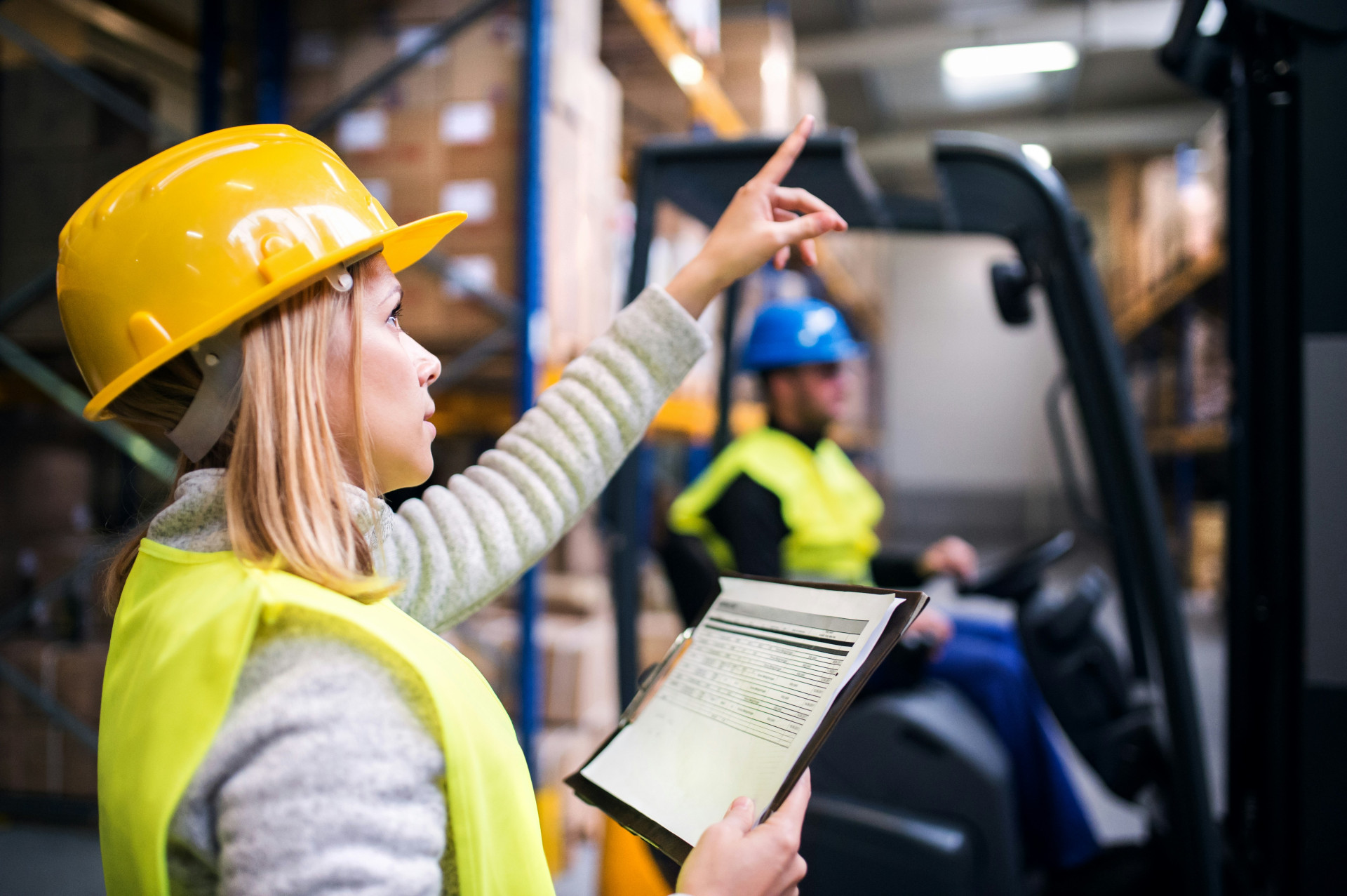
Internal Training as the Key to Better Inventory Management
Effective inventory management is not just about systems, technology, and procedures – it’s also about people. No matter how advanced a warehouse management system may be, its success depends on how well employees use it in practice. That’s why internal training is one of the most crucial factors in building an efficient and reliable warehouse operation. With the right training, errors can be reduced, processes streamlined, and job satisfaction improved.
Why Internal Training Makes a Difference
Many Australian businesses invest heavily in new equipment and software but forget to invest equally in their people. This imbalance can lead to misunderstandings, inefficiencies, and costly mistakes in warehouse operations. Internal training ensures that every team member understands both the practical and strategic aspects of their role.
When employees are familiar with company goals, procedures, and quality standards, they are better equipped to make independent decisions on the job. This creates a more flexible and resilient operation, where fewer tasks are delayed because someone “wasn’t sure how to do it.”
From Induction to Continuous Development
Internal training should not be seen as a one-off task for new hires but as an ongoing process. Warehousing and logistics are constantly evolving – new products, new technologies, and changing customer expectations all require continuous learning.
A well-rounded approach combines different types of training:
- Induction programs for new employees to learn about systems, safety rules, and workflows.
- Refresher courses for experienced staff to stay up to date with process or software changes.
- Cross-training, where employees learn each other’s tasks, increasing flexibility and coverage during busy periods or absences.
- Mentoring programs, where seasoned workers guide newcomers and help them understand the workplace culture.
By making training a natural part of daily operations, companies can foster a culture where learning and improvement are shared responsibilities.
Training as an Investment – Not a Cost
Setting aside time and resources for internal training may seem demanding, but experience shows that it pays off quickly. Fewer picking errors, less downtime, and better use of warehouse space all translate into direct financial benefits. At the same time, employees who feel competent and valued are more engaged and motivated.
Australian companies that prioritise internal training often experience lower staff turnover. When employees are given opportunities to develop their skills, they are more likely to stay – reducing recruitment and onboarding costs in the long run.
Læs også:

Practical Steps to Strengthen Internal Training
To get the most out of internal training, it helps to take a structured approach to planning and follow-up. Here are some practical tips:
- Identify training needs – What skills are missing today, and what will be needed in the future?
- Create a training plan – Set clear goals for what employees should learn and by when.
- Use experienced staff as trainers – They understand the realities of the warehouse and can share practical insights.
- Evaluate regularly – Ask employees what works well and where improvements are needed.
- Celebrate progress – When new routines succeed or error rates drop, acknowledge the effort. Recognition motivates continued learning.
Building a Stronger Culture Through Learning
Internal training is not only about technical skills. It’s also about building a shared understanding of how to work together effectively. When employees share knowledge and support one another, a culture of accountability and teamwork emerges.
A warehouse where staff feel confident in their roles and understand the bigger picture performs better – both during peak seasons and when unexpected challenges arise. That’s why internal training is more than just a tool for better inventory management; it’s the key to a stronger, more cohesive team and a more resilient business.
Læs også: